Types of Buildings Commercial Roofing Contractors Work On

Updated: Sep 1
Types of Buildings Commercial Roofing Contractors Work On in Today’s Market
Not all commercial roofs are the same. Understanding the types of buildings commercial roofing contractors work on helps property owners choose the right roofing system, maintenance plan, and long-term strategy for their building.

Commercial Building Types We Work On
Commercial roofing contractors work across a wide range of property types, each with unique requirements and challenges. Let's explore these various types.
Multifamily & Apartment Complexes
Multifamily properties require roofing systems that balance durability, cost-efficiency, and minimal disruption to tenants. Long-term maintenance planning is essential for these buildings. A well-maintained roof can enhance the overall value of the property and ensure tenant satisfaction.
Retail & Office Buildings
Retail centers and office buildings depend on roofing systems that protect operations and maintain a professional appearance. Leak prevention and routine maintenance are critical. A reliable roof not only safeguards the interior but also contributes to the business's reputation.
Warehouses & Industrial Facilities
Industrial buildings often have large, low-slope roofing systems that must handle heavy use, equipment exposure, and environmental conditions. These roofs need to be robust and resilient to withstand the demands of industrial activities.
Medical & Educational Facilities
Hospitals, clinics, and schools require reliable roofing systems with minimal downtime. Safety, compliance, and long-term performance are key priorities. A dependable roof is crucial for protecting the health and safety of occupants.
Hotels & Hospitality Properties
Hotels and resorts require roofing systems that protect guest experience while maintaining aesthetic appeal and long-term durability. The right roofing solution can enhance the guest experience and contribute to the property’s charm.
Government & Municipal Buildings
Government and public buildings require dependable roofing systems that meet strict standards and long-term performance expectations. These roofs must be built to last, ensuring the safety of the public and the integrity of the building.
Specialty Buildings
Some properties require unique roofing solutions, including:
Data centers
Religious facilities
Recreational buildings
Financial institutions
Each of these specialty buildings has specific needs that must be addressed through tailored roofing solutions.
Why Building Type Matters in Commercial Roofing
Each building type comes with different structural designs, usage demands, and performance expectations. Choosing the right roofing system ensures:
Long-term durability
Reduced maintenance costs
Better energy efficiency
Fewer disruptions to operations
Understanding the unique needs of each building type is crucial. It allows for informed decisions that can save time and money in the long run.
Low-Slope vs. Steep-Slope Commercial Roofing
Commercial buildings can have either low-slope or steep-slope roofing systems, and each requires a different approach.
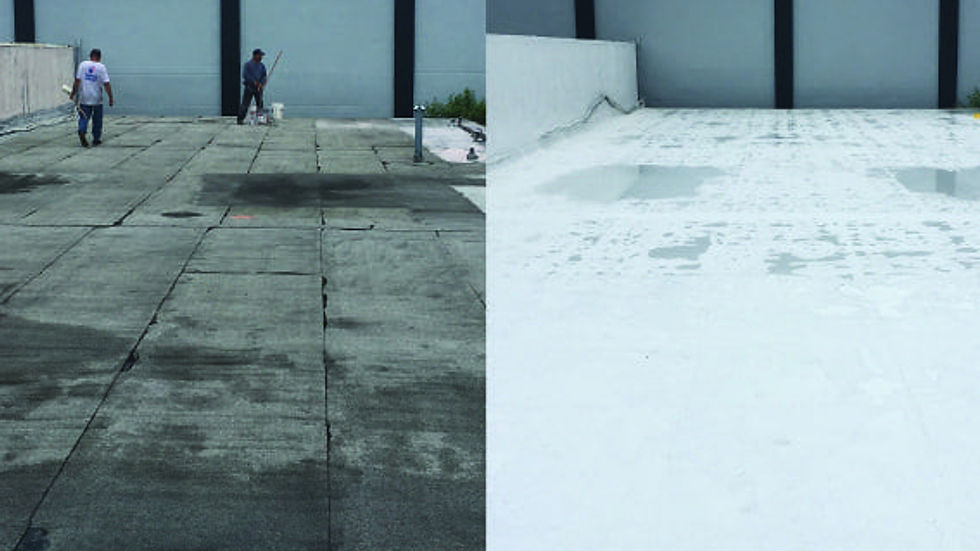
Low-slope systems are common on large commercial buildings and require proper drainage and waterproofing. These roofs can be more susceptible to pooling water, making effective drainage essential.
Steep-slope systems are often used on multifamily and specialty buildings and focus more on material durability and design. They can provide better water runoff but may require more maintenance.
The Importance of Choosing the Right Contractor
Choosing a contractor who understands your building type is key to getting the right solution. From apartments to warehouses, the right roofing strategy helps protect your property and maximize long-term value.
A knowledgeable contractor will assess your specific needs and recommend the best materials and systems for your building type. This tailored approach ensures that you receive a roofing solution that meets your expectations.
The Role of Maintenance in Commercial Roofing
Regular maintenance is vital for extending the life of your commercial roof. It can prevent minor issues from escalating into costly repairs. A proactive maintenance plan includes:
Routine inspections
Prompt repairs
Cleaning debris from the roof surface and gutters
By investing in maintenance, you can enhance the longevity of your roof and protect your investment.
Understanding Roofing Materials
Different roofing materials offer various benefits. For instance, TPO and EPDM are popular for low-slope roofs due to their durability and energy efficiency. On the other hand, metal roofs are often chosen for their longevity and aesthetic appeal on steep-slope buildings.
When selecting materials, consider factors such as climate, building design, and budget. A roofing contractor can help you navigate these choices.
The Impact of Weather on Roofing
Weather conditions in Oregon and Washington can significantly impact roofing systems. From heavy rain to snow, your roof must withstand various environmental challenges. Understanding these factors can help you choose the right roofing system that offers resilience and durability.
Conclusion: Make Informed Decisions
In conclusion, understanding the types of buildings commercial roofing contractors work on is essential for making informed decisions. Each building type has unique requirements that must be addressed.
Schedule a commercial roof inspection to get a solution tailored to your building type.


Comments